
Understanding Wheel Alignment: Importance and Benefits
Categories: Alignment · Car Maintenance
Learn how wheel alignment affects your vehicle's performance, safety, and tire wear. Our comprehensive guide covers alignment basics, warning signs, and why regular alignments are crucial for your car's health.
Wheel alignment is one of those maintenance services that's often overlooked but can have a major impact on your vehicle's performance, tire longevity, and fuel efficiency. This guide explains what wheel alignment is, why it matters, how to tell when you need one, and what happens during the alignment process.
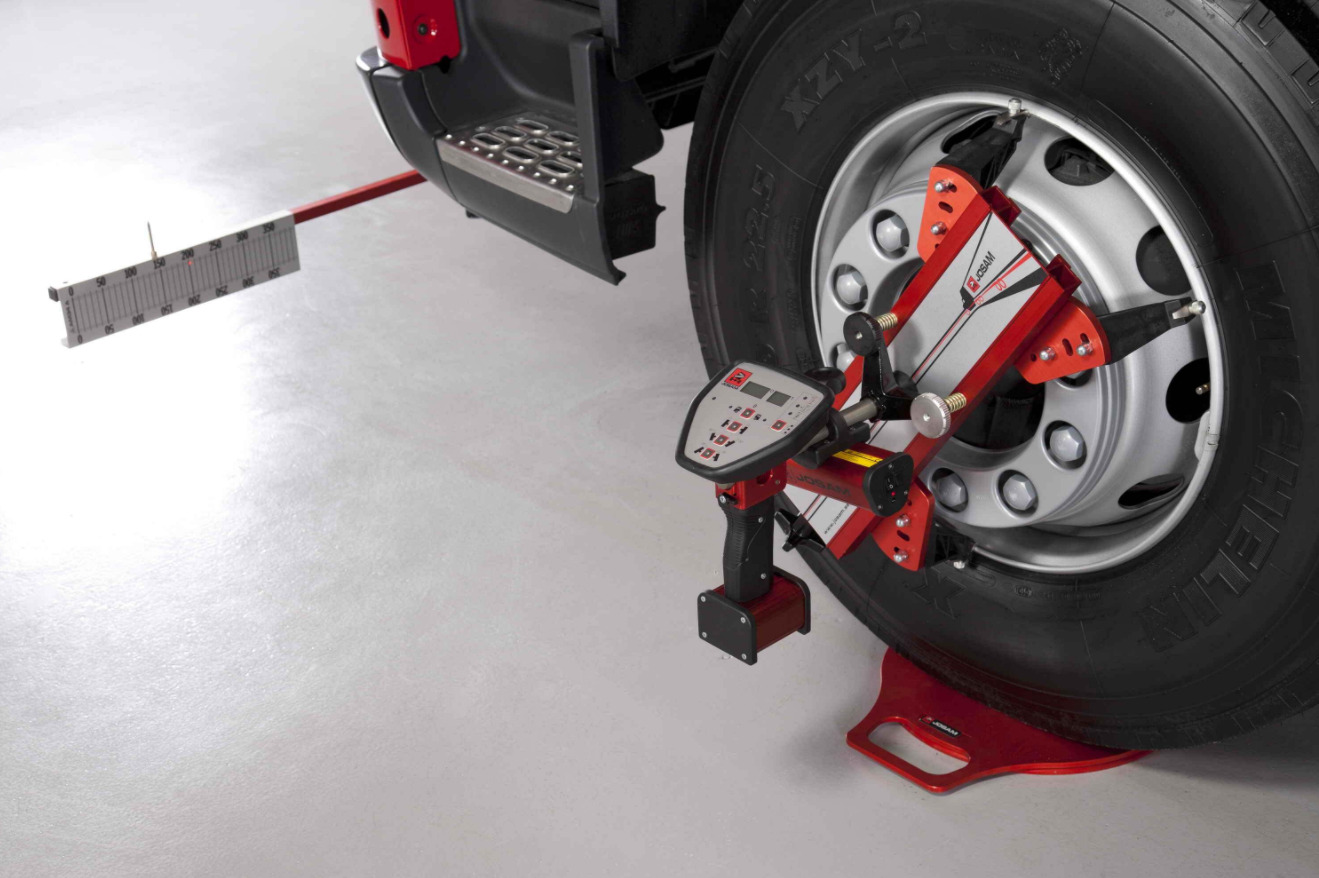
What Is Wheel Alignment?
Wheel alignment, also known as tire alignment, is the adjustment of your vehicle's suspension system—the connection between your vehicle and its wheels. It's not about adjusting the tires or wheels themselves, but rather adjusting the angles of the tires which affects how they make contact with the road.
The primary adjustments in a wheel alignment involve:
- Camber - The inward or outward angle of the tire when viewed from the front
- Caster - The angle of the steering axis when viewed from the side
- Toe - How much the tires turn inward or outward when viewed from above
These adjustments ensure your tires meet the road at the optimal angle, that your wheels are pointing straight, and that your steering wheel is centered.
Remember: Alignment isn't about the wheels or tires themselves, but the suspension components that control their position and angle relative to the road and vehicle.
Pro Tip: Factory alignment specifications are designed to balance handling, tire wear, and comfort—but they can be adjusted for specific needs like performance driving or hauling heavy loads.
Why Wheel Alignment Matters
Vehicle Performance Benefits
- Extended Tire Life
Proper alignment ensures even tire wear, potentially saving hundreds of dollars over time
- Improved Fuel Efficiency
Reduces rolling resistance of your tires, helping you save on fuel costs
- Enhanced Handling
Ensures your vehicle tracks straight and responds properly to steering inputs
- Smoother Ride
Minimizes vibrations and the need to constantly correct your steering
Safety Considerations
Beyond performance and economy, proper wheel alignment is a critical safety consideration:
- Prevents unpredictable pulling that could lead to accidents
- Ensures optimal braking performance
- Provides better control in emergency maneuvers
- Reduces driver fatigue by eliminating the need for constant steering corrections
- Improves stability in adverse weather conditions
Understanding the Key Alignment Angles
Camber
This refers to the inward or outward tilt of the tire when viewed from the front.
- Positive camber: Tires tilt outward at the top
- Negative camber: Tires tilt inward at the top
- Improper camber prevents full road contact
- Causes uneven wear on inner or outer tire edges
- Affects cornering stability and straight-line tracking
Caster
This is the angle of your steering axis when viewed from the side.
- Positive caster: Steering axis tilts toward driver
- Negative caster: Steering axis tilts toward front of vehicle
- Affects steering stability and self-centering
- Improves straight-line tracking when properly set
- Less visible in tire wear patterns than other angles
Toe
This refers to how much your tires turn inward or outward when viewed from above.
- Toe-in: Front of the tires point toward each other
- Toe-out: Front of the tires point away from each other
- Most common cause of tire wear when misaligned
- Affects initial turn-in response and straight-line stability
- Can cause a 'saw-tooth' wear pattern across the tread
Signs You Need a Wheel Alignment
Your vehicle will give you several warning signs when the alignment is off:
- Vehicle Pulling to One Side
Your car drifts left or right on a straight, level road without steering input
- Crooked Steering Wheel
Your steering wheel isn't centered when driving straight ahead
- Uneven or Rapid Tire Wear
Tires show wear patterns on inner or outer edges, or wear unevenly from side to side
- Squealing Tires
Tires make noise during normal turns (not hard cornering)
- Steering Wheel Vibration
You feel unusual vibration or shimmy through the steering wheel
- Loose Handling
Vehicle feels unstable, wandering, or requires frequent steering corrections
Important: If you notice your vehicle pulling significantly to one side, check your tire pressure first. Uneven inflation can cause pulling symptoms similar to alignment issues. If tire pressures are correct and pulling persists, an alignment check is needed.
Tire Inspection Tip: Run your hand along each tire's tread. If you feel sharp edges on either the inner or outer side, this could indicate camber or toe issues that require alignment correction.
What Happens During a Wheel Alignment
A professional wheel alignment involves several precise steps:
- The technician mounts sophisticated alignment equipment to your vehicle
- Precision sensors and cameras measure the exact position and angles of your wheels
- These measurements are compared to manufacturer specifications
- Adjustments are made to suspension components like tie rods, control arms, and adjustment bolts
- Final measurements confirm the alignment is within specification
- A printout of before and after measurements is provided
The entire process typically takes 30-60 minutes, depending on your vehicle and the condition of its suspension components.
Common Adjustable Components:
- Tie rods: Adjust toe angle
- Camber bolts or eccentric washers: Adjust camber angle
- Strut mounts: May affect camber and caster
- Control arm bushings or shims: Affect multiple angles
Note: Not all suspension components are adjustable on every vehicle. Some may require special parts or modifications to bring them into specification if they're significantly out of alignment.
When to Get a Wheel Alignment
Regular Maintenance Schedule
Most mechanics recommend having your wheel alignment checked:
- Every 2-3 years as regular maintenance
- Every 15,000 miles of driving
- When installing new tires
- When replacing suspension components
- When rotating tires (as an optional check)
Immediate Alignment Checks
Certain situations call for an immediate alignment check, regardless of your maintenance schedule:
- After hitting a significant pothole or curb
- Following an accident, even a minor fender-bender
- When you notice any of the warning signs mentioned earlier
- After modifications that affect ride height (lowering springs, lift kits)
- When carrying unusually heavy loads for extended periods
DIY vs. Professional Alignment
While there are some DIY alignment methods you may find online, a proper wheel alignment requires specialized equipment and technical knowledge:
- Professional Equipment Advantage
Alignment machines measure angles to within hundredths of a degree, ensuring precision impossible with DIY methods
- Comprehensive Measurement
All alignment angles are checked simultaneously, showing how they interact
- Manufacturer Specifications
Professionals have access to exact specifications for your specific vehicle model
- Long-Term Value
Professional alignment (typically $75-$200) can save hundreds in premature tire replacement
What You Can Do at Home
- Check for uneven tire wear patterns
- Monitor tire pressure regularly
- Test for pulling on a level road
- Check if steering wheel is centered
- Look for signs of damaged suspension components
Pro Tip: If you're purchasing an alignment service, ask if it includes a free re-check within a certain period (typically 6-12 months). Many shops offer this to ensure customer satisfaction.
Key Takeaways About Wheel Alignment
Proper wheel alignment is an essential maintenance service that affects your vehicle's performance, safety, and long-term operating costs. By understanding its importance and recognizing when it's needed, you can prevent premature tire wear, improve fuel efficiency, and ensure a safer driving experience.
- Regular alignment checks save money
Prevent premature tire wear and improve fuel economy
- Watch for warning signs
Don't ignore pulling, uneven tire wear, or a crooked steering wheel
- Professional equipment matters
Alignment requires precise measurements that DIY methods can't match
- Alignment affects safety
Proper alignment ensures predictable handling and control
- Request documentation
Ask for a printout of before/after measurements to confirm proper adjustment
Wheel Alignment Quick Tips
- Check your tire pressure before getting an alignment—improper pressure can affect alignment readings
- Consider getting an alignment whenever you purchase new tires to maximize their lifespan
- Ask for a printout of your alignment measurements before and after service
- If you regularly drive on rough roads, consider checking alignment more frequently
- Look for alignment specials when purchasing new tires—many shops offer discounts
- Compare your current tire wear to alignment readings to understand the connection