
How to Jump Start Your Car: A Step-by-Step Guide
Categories: Batteries · Car Maintenance
Master the essential skill of jump-starting a car safely. This guide covers the proper steps, safety precautions, and necessary equipment to get your vehicle running again when faced with a dead battery.
Few car problems are as common as a dead battery. This guide will walk you through the proper steps to safely jump-start your vehicle and get back on the road quickly.
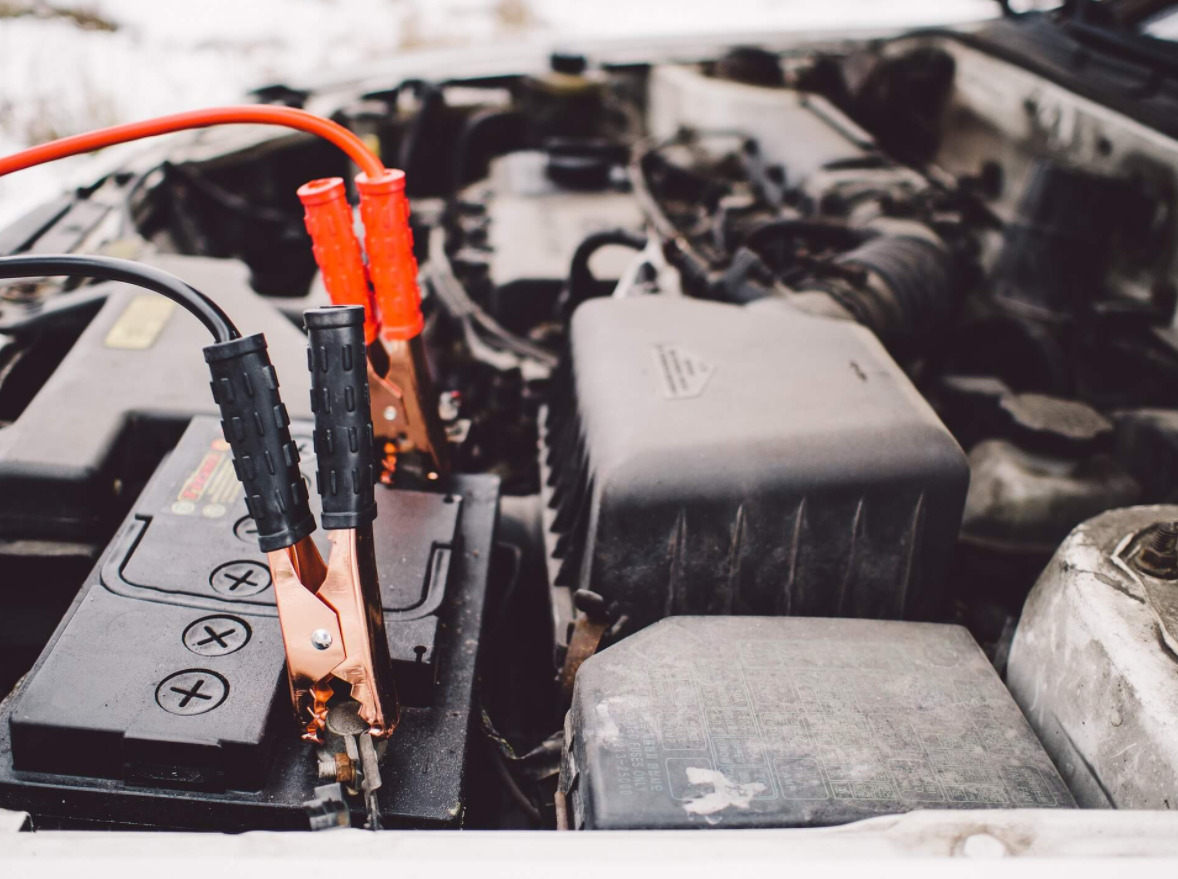
What You'll Need
Before attempting to jump-start a vehicle, make sure you have the right equipment and understand the process.
Essential Equipment
- Jumper cables (10-gauge or heavier, 12-20 feet long)
- Another vehicle with a working battery
- Safety gloves (recommended)
Alternative Option
- Portable jump starter
A convenient alternative that doesn't require another vehicle
Pro Tip: Keep jumper cables in your vehicle at all times.
Safety Warnings
Jump-starting a vehicle involves electrical components and potential hazards. Always prioritize safety with these important precautions:
- Never jump-start a damaged or frozen battery
It could rupture or explode
- Never lean over the battery when connecting cables
Batteries release hydrogen gas which can ignite
- Don't smoke or have open flames near the battery
Battery gases are flammable
- Remove metal jewelry and watches
These can cause electrical shorts if they touch battery terminals
Jump-Starting Process
Step 1: Position and Prepare
- Park the working vehicle close to the dead one (batteries near each other)
- Turn off both vehicles and apply parking brakes
- Open both hoods and identify battery terminals (+ is usually red, - is usually black)
- Make sure both vehicles are not touching each other
Pro Tip: If the battery terminals are corroded (covered with a white or greenish powder), they should be cleaned before attempting to jump-start for better electrical contact.
Step 2: Connect the Jumper Cables
It's critical to connect the cables in the correct order to prevent sparks near the battery:
- Connect RED clamp to POSITIVE (+) terminal of dead battery
- Connect other RED clamp to POSITIVE (+) terminal of good battery
- Connect BLACK clamp to NEGATIVE (-) terminal of good battery
- Connect other BLACK clamp to unpainted metal on dead car's engine (NOT the battery)
Remember: "Red dead, red donor, black donor, black ground."
Important: The final connection to an unpainted metal surface on the dead car's engine block creates a ground that helps prevent sparks near the battery.
Step 3: Start Engines and Remove Cables
- Start the working vehicle and run for 2-3 minutes
- Try to start the dead vehicle (if it doesn't start, check connections and wait longer)
- Once running, remove cables in REVERSE order: black ground, black donor, red donor, red dead
- Keep the jumped vehicle running for at least 20 minutes to charge the battery
Important: Don't crank the starter for more than 5-10 seconds at a time. Wait 30 seconds between attempts to prevent starter damage.
Pro Tip: If the vehicle won't start after several attempts, there may be issues beyond a dead battery. The alternator, starter, or other electrical components might need inspection.
Using a Portable Jump Starter
Portable jump starters are self-contained power packs that can start your vehicle without needing another car. They're increasingly popular due to their convenience and compact size.
- Ensure the jump starter is fully charged
- Connect RED clamp to POSITIVE (+) terminal of your battery
- Connect BLACK clamp to NEGATIVE (-) terminal or metal ground
- Turn on the jump starter and start your vehicle
- Disconnect in reverse order (black first, then red)
Pro Tip: Portable jump starters are ideal for emergencies when no other vehicle is available. Many also include USB ports and flashlights.
Note: Most portable jump starters have specific instructions. Always read and follow the manufacturer's directions for your specific model.
After Jump-Starting
Once you've successfully jump-started your vehicle, take these steps to prevent future issues:
- Drive for at least 20 minutes to charge the battery
Avoid using electrical accessories during this time
- Get your battery tested
Most auto parts stores offer free testing to determine if replacement is needed
- Check for underlying causes
A faulty alternator or other electrical issues could be draining your battery
- Consider a battery replacement if it's older than 3-5 years
Batteries typically last 3-5 years depending on climate and usage patterns
If your battery dies again shortly after jump-starting, there could be a more serious electrical issue. Have your vehicle inspected by a professional mechanic who can diagnose problems with the charging system, alternator, or identify parasitic draws that drain the battery when the vehicle is off.
Regular battery maintenance can help prevent dead batteries. Check terminals for corrosion, ensure connections are tight, and consider having your battery and charging system tested before extreme weather seasons.
Quick Reference: Jump-Starting Steps
- Position vehicles with batteries close, turn off both engines
- Connect: Red to dead positive, red to donor positive, black to donor negative, black to ground
- Start donor car, wait 2-3 minutes, start dead car
- Disconnect cables in reverse order
- Keep jumped car running for at least 20 minutes