
Top Tips for Saving Money on Gas
Categories: Car Maintenance · Driving
Discover practical strategies to maximize your vehicle's fuel efficiency and save money at the pump. From driving habits and maintenance tips to smart fueling tactics, learn how to improve your miles per gallon and reduce fuel costs by up to 30%.
With fuel prices constantly fluctuating, finding ways to improve your vehicle's fuel efficiency isn't just good for the environment—it's essential for your budget. This guide covers driving habits, maintenance tips, and solutions that can help you get more miles out of every gallon and keep more money in your pocket.
Understanding Fuel Economy
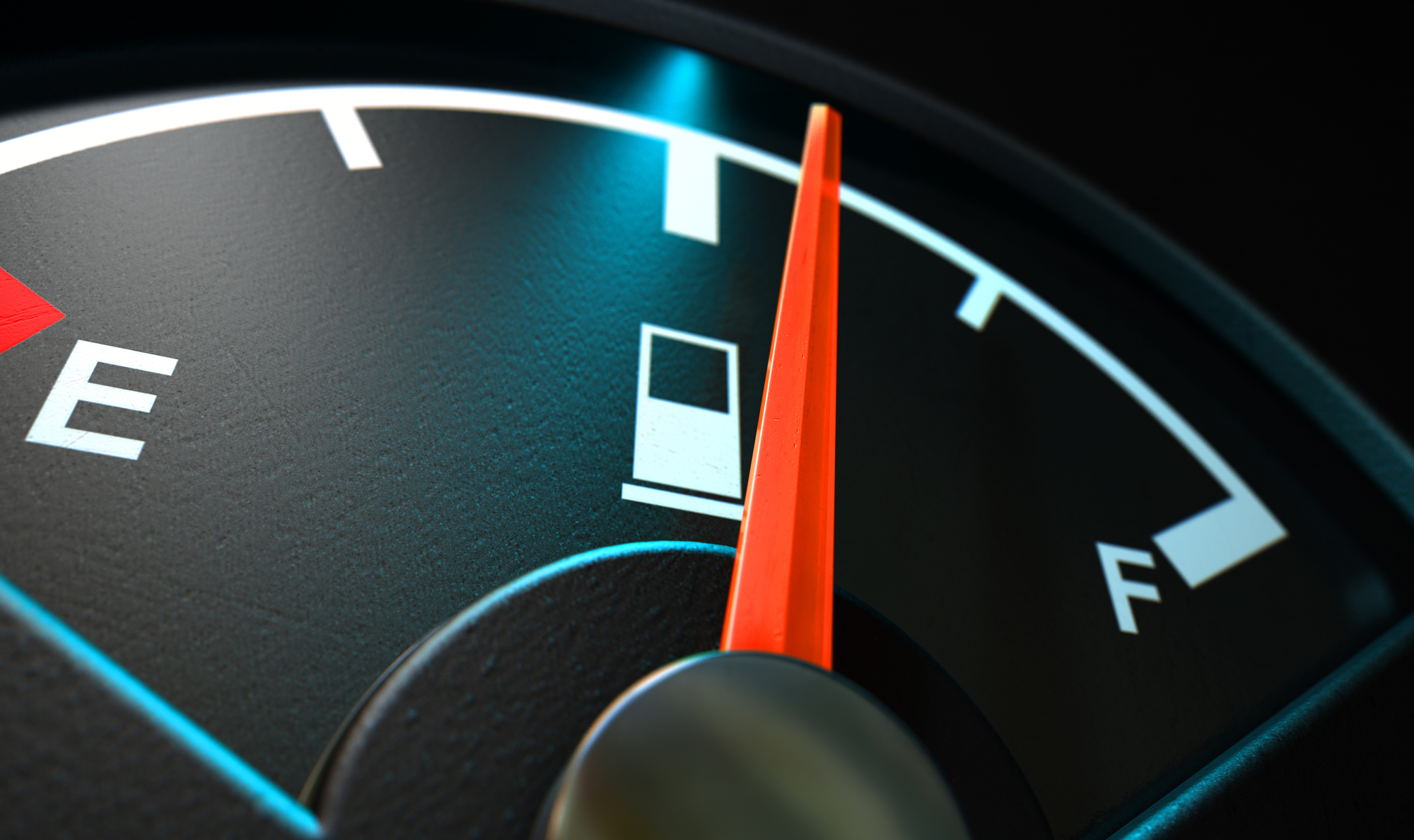
Fuel economy refers to the relationship between the distance your vehicle can travel and the amount of fuel it consumes. The average American spends over $1,500 annually on gasoline. While your vehicle's make, model, and age determine baseline fuel efficiency, your driving habits and maintenance practices can influence actual fuel consumption by as much as 30%.
Whether you're driving a hybrid, a conventional gasoline vehicle, or a diesel, these tips can help you maximize efficiency and minimize trips to the pump. By combining multiple strategies, you could potentially save hundreds of dollars annually.
Fuel-Efficient Driving Habits
1. Maintain Steady Speeds
Frequent acceleration and braking can increase fuel consumption by up to 40%. Use cruise control on highways to maintain a constant speed, and try to anticipate traffic flow to avoid unnecessary stops and starts.
2. Drive at Moderate Speeds
Fuel economy typically peaks at around 50-55 mph for most vehicles and then drops off at higher speeds due to aerodynamic drag. Every 5 mph you drive over 50 mph is like paying an additional $0.20 per gallon for gas.
3. Avoid Aggressive Driving
Rapid acceleration, hard braking, and speeding can lower highway gas mileage by 15-30% and city mileage by 10-40%. Gentle acceleration and deceleration save fuel and reduce vehicle wear.
4. Minimize Idling
Modern engines don't need to warm up for more than a minute, even in cold weather. If you'll be stopped for more than 60 seconds (except in traffic), it's more fuel-efficient to turn off your engine and restart it when ready.
Essential Maintenance for Better Fuel Economy
7. Keep Tires Properly Inflated
Underinflated tires can reduce gas mileage by up to 3% due to increased rolling resistance. Check your tire pressure at least monthly and before long trips. Find the recommended pressure on a sticker inside your driver's side door jamb or in your owner's manual.
8. Use the Recommended Grade of Motor Oil
Using the manufacturer's recommended grade of motor oil can improve fuel economy by 1-2%. Look for motor oil labeled as "Energy Conserving" on the API performance symbol, which contains friction-reducing additives.
9. Keep Your Engine Tuned
Fixing a car that's noticeably out of tune or has failed an emissions test can improve gas mileage by an average of 4%. Addressing more serious maintenance issues, like a faulty oxygen sensor, can improve efficiency by up to 40%.
10. Replace Air Filters Regularly
A clogged air filter can reduce acceleration performance. Maintaining a clean filter improves engine health and performance, which can indirectly benefit efficiency and extend engine life.
Reduce Your Vehicle's Load
17. Remove Excess Weight
Every extra 100 pounds in your vehicle can reduce fuel economy by about 1%. Clean out your trunk, cargo areas, and passenger compartments regularly. Only carry items you actually need for your current driving needs.
18. Remove Roof Racks When Not in Use
Roof racks and carriers create wind resistance and can decrease fuel economy by up to 8% in highway driving and up to 25% at interstate speeds. Remove them when not needed.
19. Keep Windows Closed at Higher Speeds
At highway speeds, open windows increase aerodynamic drag and can decrease fuel economy by up to 10%. At speeds above 40 mph, using air conditioning is typically more efficient than driving with the windows down.
20. Use AC Wisely
Air conditioning can reduce fuel efficiency by up to 25% in extreme conditions. At low speeds, open windows instead of using AC when possible. On hot days, park in the shade or use a sunshade to reduce the initial cooling load.
The Bottom Line on Fuel Savings
Implementing even a handful of these gas-saving techniques can lead to noticeable improvements in your fuel economy and significant savings over time. The key is consistency—making these practices part of your regular driving routine.
The most effective approach combines multiple strategies: maintaining your vehicle properly, adopting efficient driving habits, reducing unnecessary weight, and using technology to your advantage. By doing so, you'll not only save money but also extend the life of your vehicle and reduce your environmental impact.
Quick Tips for Immediate Fuel Savings
- Check your tire pressure today—it's the easiest way to improve fuel economy immediately
- Remove unnecessary items from your trunk or cargo area before your next trip
- Track your next few fill-ups to establish a baseline fuel economy for your vehicle
- Try driving 5 mph slower on the highway and notice the difference in your fuel consumption
- Schedule a tune-up if it's been more than a year since your last one