Brake Maintenance Guide: Tips for Longevity and Safety
Categories: Brakes · Car Maintenance
Learn how to maintain your vehicle's most critical safety feature. This guide explains warning signs, maintenance schedules, and how to decide between DIY and professional brake service.
Your vehicle's braking system is its most critical safety feature. Understanding when and how to maintain your brakes can save money, prevent major repairs, and keep you safe on the road.
Brake System Basics
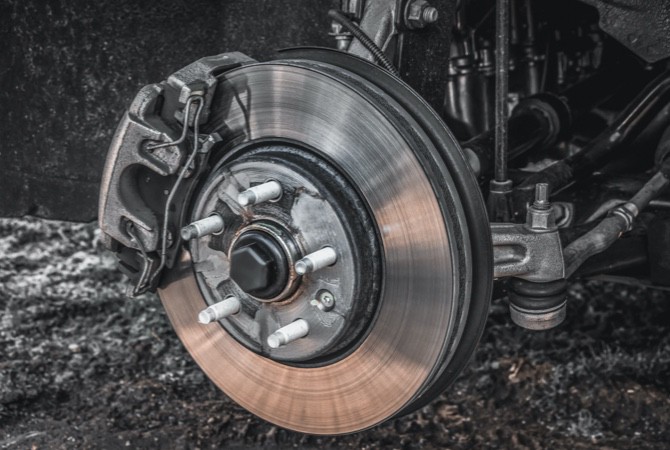
Main Components
- Brake Pads/Shoes
Friction material that slows your vehicle
- Rotors/Drums
Metal discs or drums that spin with wheels
- Calipers
Clamp pads against rotors when braking
- Brake Fluid
Transfers force from pedal to brakes
How They Work
Press brake pedal
Creates hydraulic pressure in brake lines
Pressure moves to calipers/wheel cylinders
Pads press against rotors (or shoes against drums)
Friction slows and stops vehicle
Did You Know? Front brakes handle 60-80% of stopping power.
Warning Signs Your Brakes Need Attention
- Squealing or Screeching
First sign of worn brake pads
- Grinding Noises
Metal-on-metal contact, needs immediate attention
- Vibration When Braking
Likely warped rotors or drums
- Soft or Spongy Brake Pedal
Air in lines or fluid leak
- Vehicle Pulls When Braking
Uneven braking power or stuck caliper
- Brake Warning Light
Low fluid or system issue
Safety Warning: If you notice grinding noises or a soft pedal, get your brakes inspected immediately.
Maintenance Schedule
Every 10,000-15,000 Miles
- Visual brake inspection
- Check brake fluid level
- Look for leaks or damage
As Needed/Periodic
- Brake Pad Replacement
30,000-70,000 miles depending on driving
- Rotor Replacement/Resurfacing
Often done with pad replacement
- Brake Fluid Flush
Every 2-3 years
What Affects Brake Life
Driving Factors
- Aggressive braking habits
- City vs. highway driving
- Mountainous terrain
- Towing or heavy loads
Vehicle Factors
- Vehicle weight
- Brake component quality
- Climate conditions
DIY vs. Professional Service
DIY Tasks
- Visual inspections
- Brake fluid checks
- Brake pad replacement
- Rotor replacement
Basic Tools Needed:
Jack and stands, lug wrench, C-clamp, socket set, brake cleaner, torque wrench
Professional Tasks
- Complete system diagnosis
- Brake fluid flush
- Caliper replacement
- Brake line repair
- ABS system repairs
Quick Brake Maintenance Tips
- Listen for unusual sounds when braking
Early detection prevents costly repairs
- Check brake fluid color
Should be clear to light amber; dark fluid needs changing
- Replace brake components in pairs
Always replace pads and rotors on both sides of an axle for even braking
- Brake pad quality matters
Premium pads often last longer and perform better